Workshop on Cross – Cultural Religious Collaboration and Collective leadership for Peacebuilding

Two Day Workshop for Female Religious Leaders
The Sarvodaya Institute of Higher Learning (SIHL), Bandaragama, hosted a two-day workshop titled “Bridging Faiths, Building Futures: Collective Competencies for Peace and Resilience – Workshop on Cross-Cultural Religious Collaboration and Collective Leadership for Peacebuilding” on 11 and 12 June 2026.
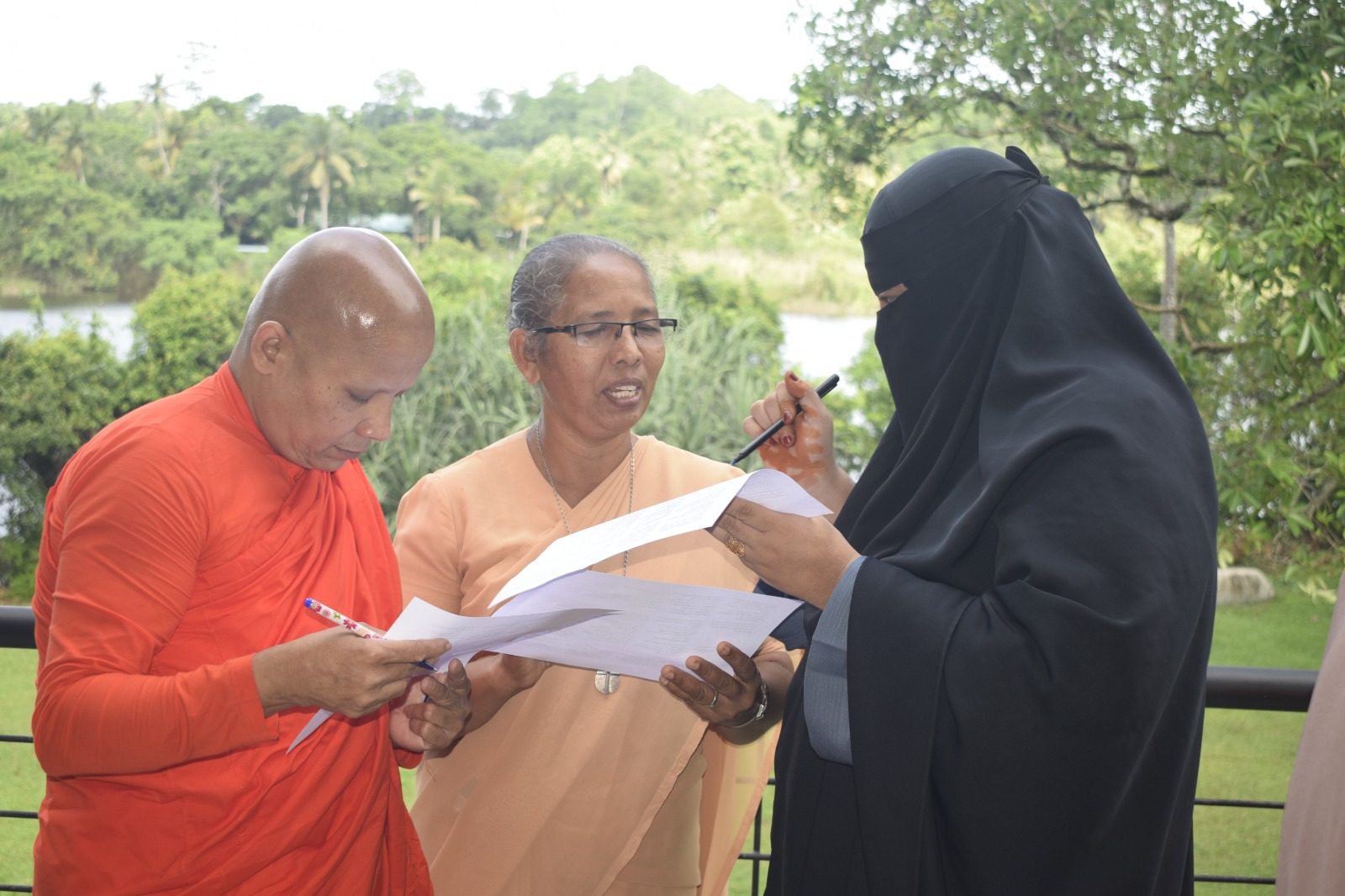
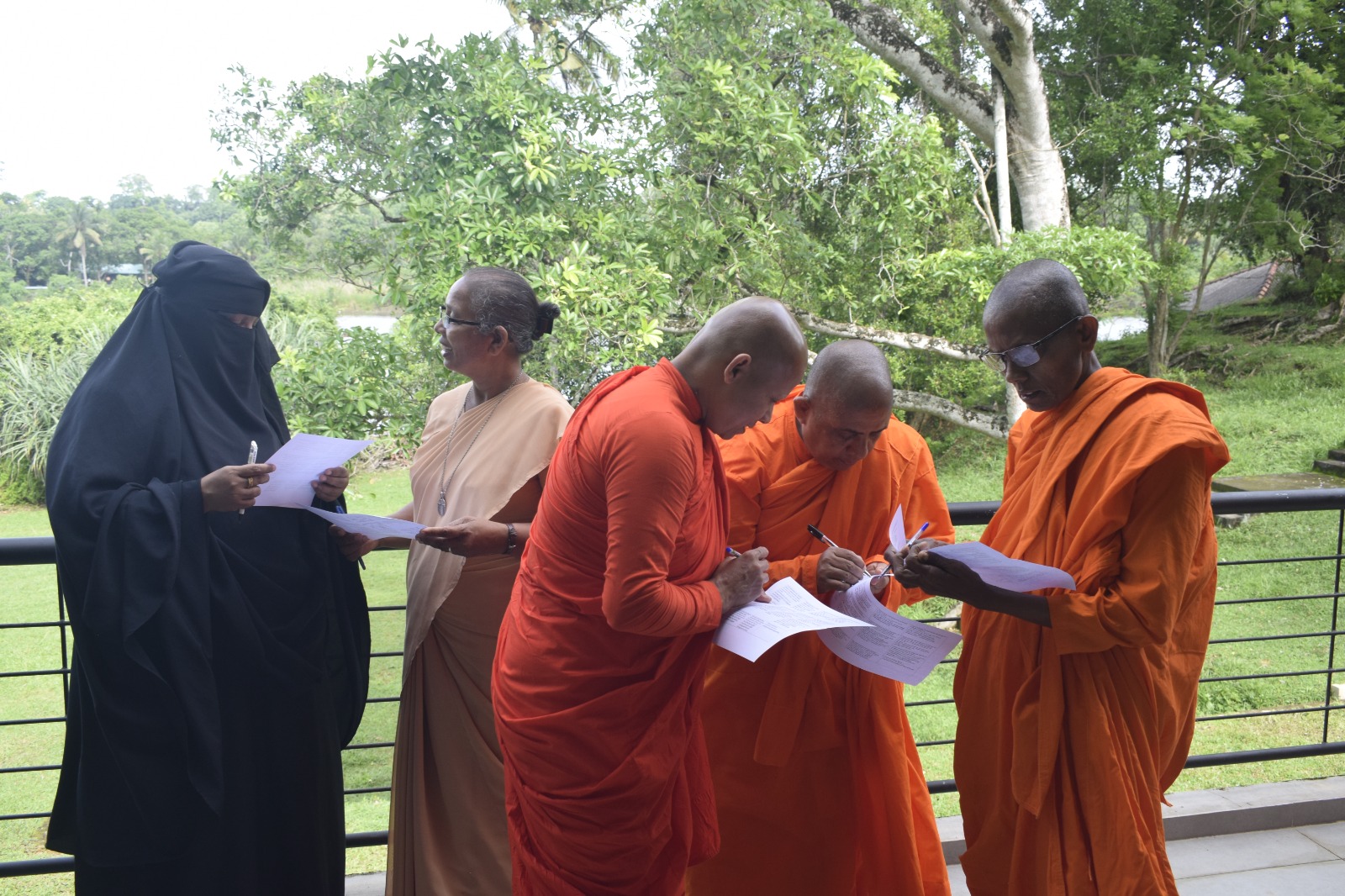
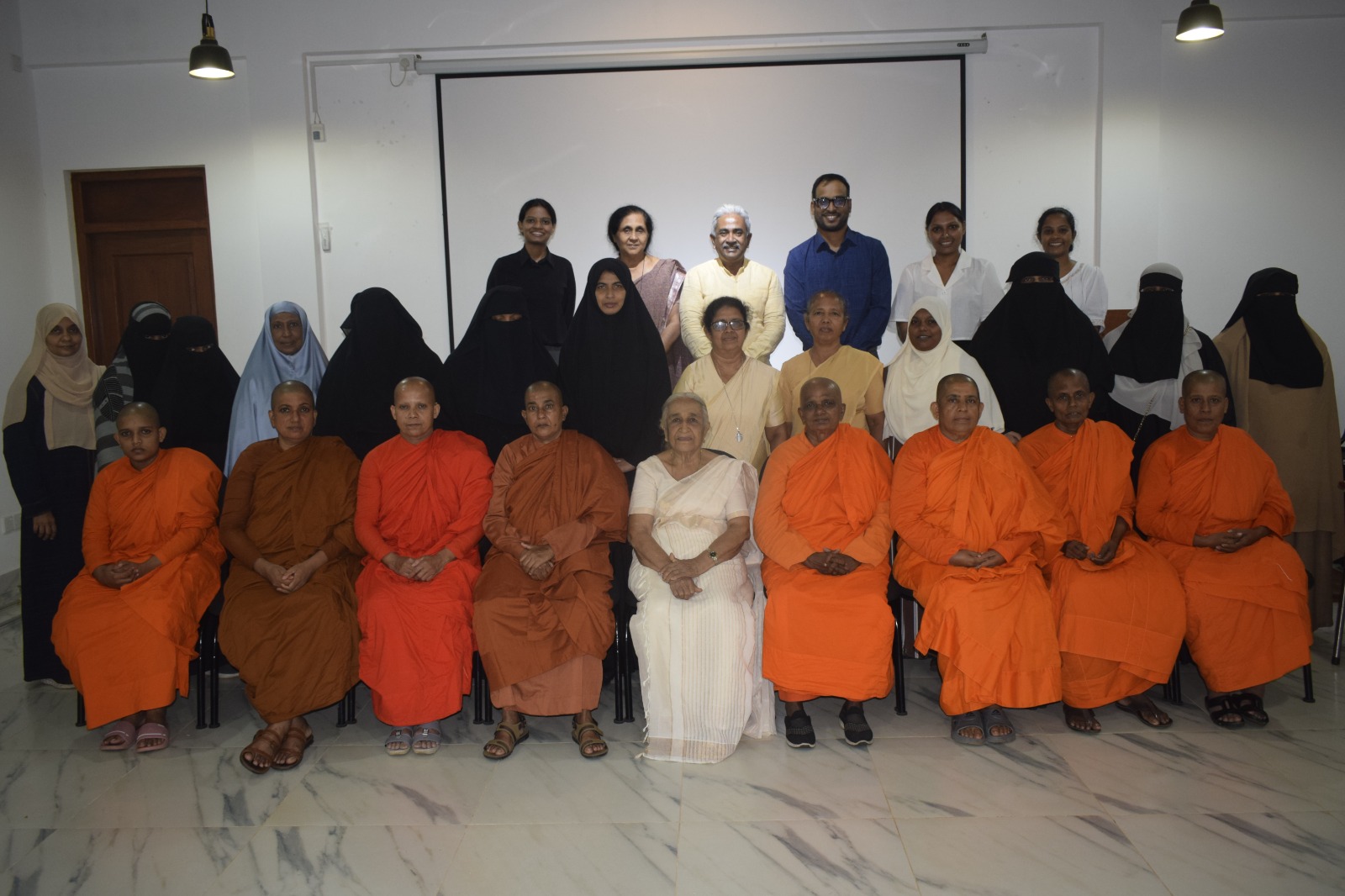
The workshop brought together 21 female religious leaders representing Buddhist, Catholic, and Muslim faith traditions, providing a unique platform for dialogue, learning, and collaboration across religious and cultural boundaries. The program aimed to strengthen inter religious literacy, enhance cross-cultural understanding, and promote collective leadership for peacebuilding, social cohesion, and resilience. The workshop served as the first pilot workshop under a broader program and the insights and experiences gained through this pilot program will contribute to the further development and implementation of future workshops under the initiative.
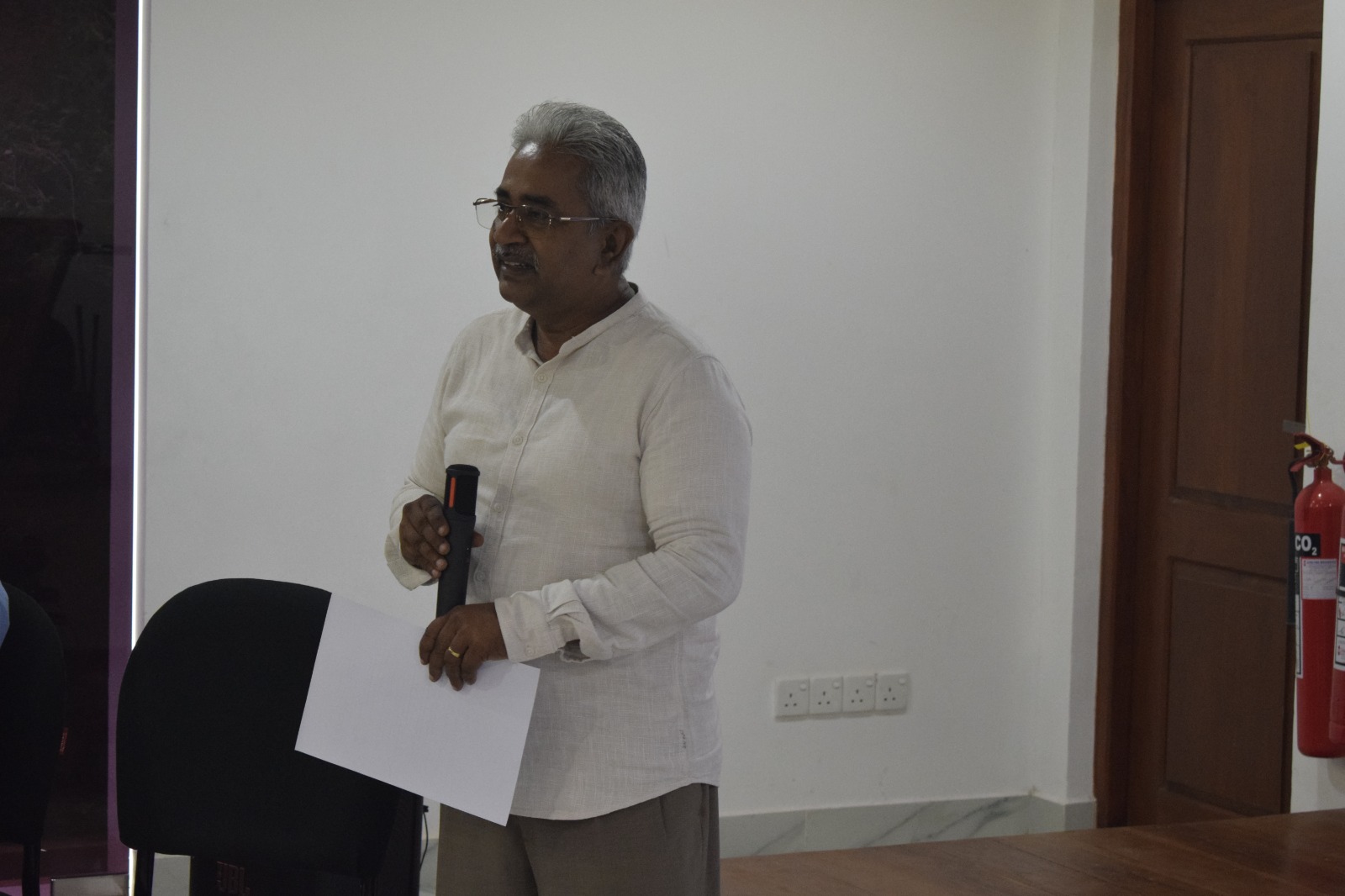
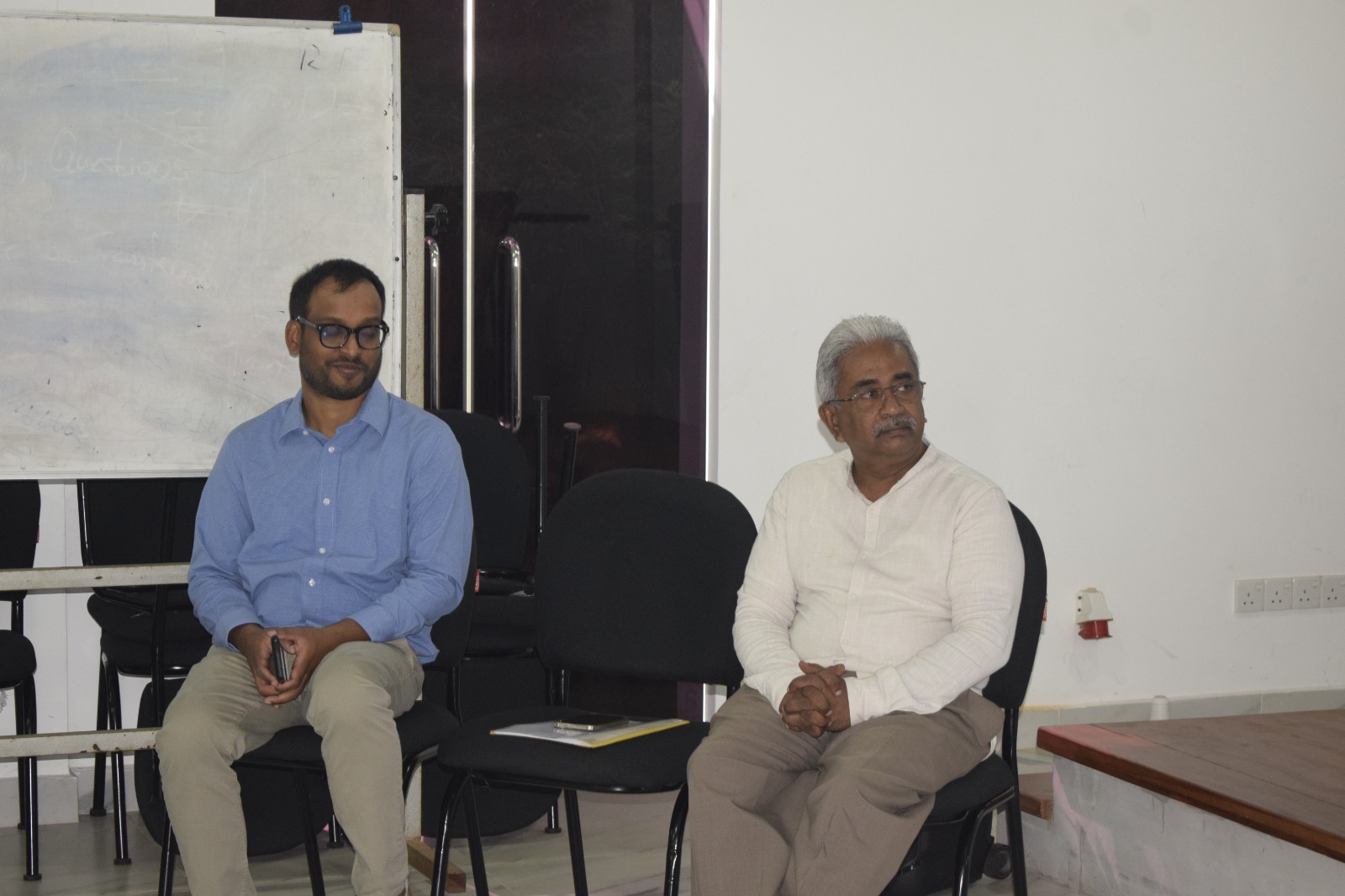
The workshop commenced with opening remarks by Dr. Vinya Ariyaratne, President of the Sarvodaya Shramadana Movement, followed by an overview of the project and the purpose of the workshop presented by Dr. Sudipta Roy, Senior Researcher at the World Faiths Development Dialogue (WFDD), the funding and collaborative partner supporting the implementation of this long-term project.
The workshop was conducted in collaboration with the Bandaranaike Academy for Leadership and Public Policy (BALPP), which played a key role in developing the workshop curriculum and program content, as well as supporting the implementation of the training program. Six experienced resource persons contributed to the program, facilitating a series of interactive sessions designed to enhance participants’ knowledge and practical skills. The sessions included Introduction to Religious Literacy and Cross-Cultural Understanding facilitated by Mr. Suchith Abeyewickreme; Comparative Religious Literacy: Overview of Major Religions to Enhance Understanding of Others’ Beliefs facilitated by Mr. Harsha Gunasena; Collaborative Approaches: Building Skills to Work Together Across Faiths to Address Social and Developmental Issues facilitated by Ms. Nalanga Hettiarachchi; Practical Issues in Society: Addressing Contemporary Social Challenges and Stereotypes facilitated by Mr. Upali Amarasinghe; Gender and Religion: Understanding Gender Roles and Inclusivity within Religious Contexts facilitated by Ms. Sriyani Perera; and Religion’s Role in Social Protection: Concepts, Relevance, Purpose, and Sri Lankan Examples facilitated by Prof. Manouri Senanayaka.
A key strength of the workshop was the active engagement of participants throughout the program. Female religious leaders shared their experiences, reflected on common challenges faced within their communities, and exchanged perspectives on promoting understanding among different faith groups. Interactive discussions and group activities encouraged participants to learn about one another’s religious traditions, explore common values, and discuss collaborative approaches to addressing social issues within their respective communities. The workshop fostered meaningful dialogue, strengthened relationships across faith traditions, and created opportunities for future interfaith cooperation and collective action.
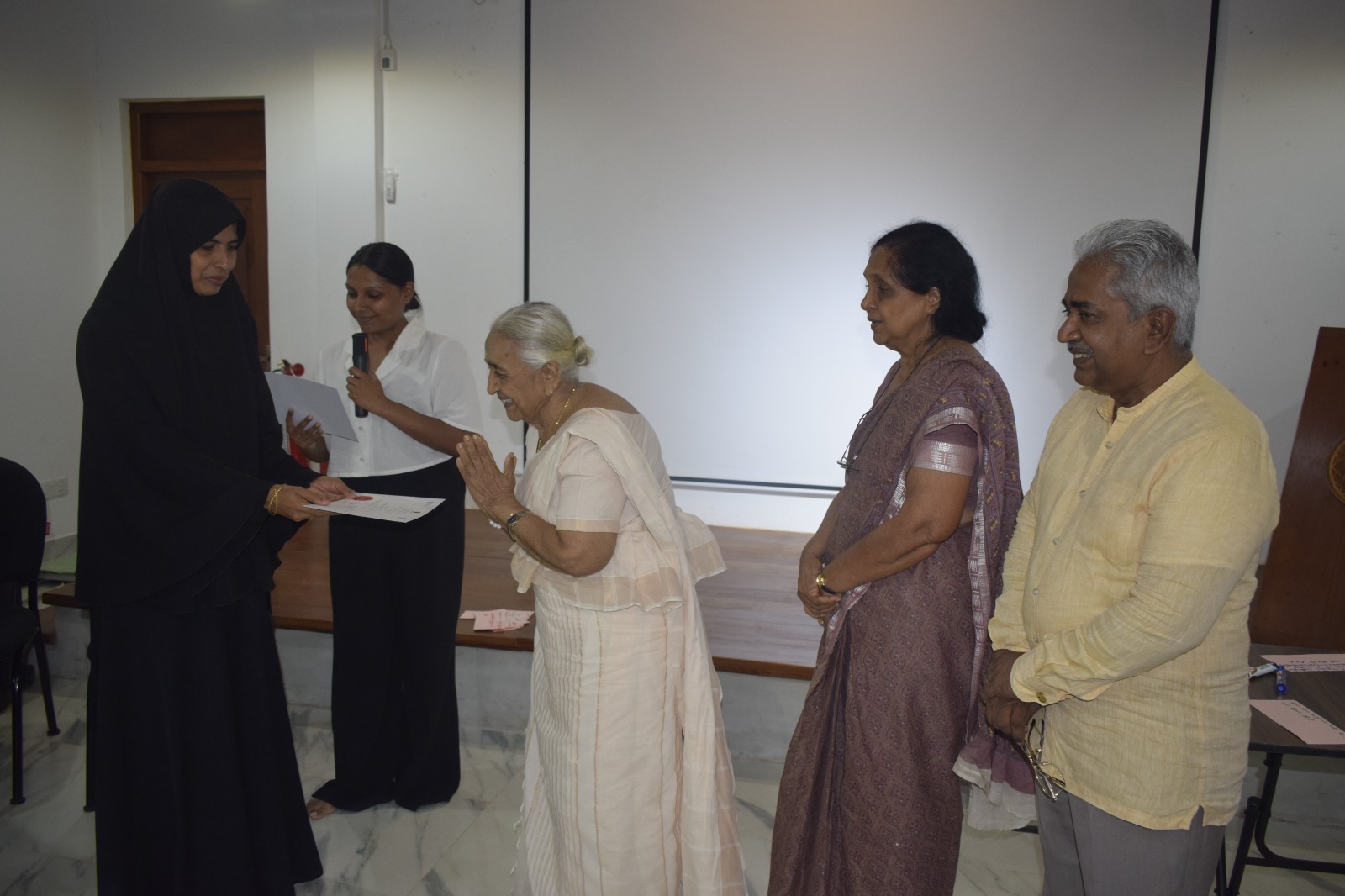
The workshop concluded with the awarding of certificates to all participants in recognition of their successful participation and valuable contributions to the program. Participants expressed appreciation for the opportunity to engage in meaningful dialogue across faith traditions and emphasized the importance of continuing collaborative efforts to promote peace, mutual understanding, and social cohesion within Sri Lankan society.
The workshop served as an important step towards strengthening cross-cultural religious understanding, fostering interfaith collaboration, and enhancing the capacity of female religious leaders to contribute collectively to peacebuilding and resilient communities.