Introduction to Sarvodaya Movement’s Community Development Practice: A Field Practicum for Nursing Students
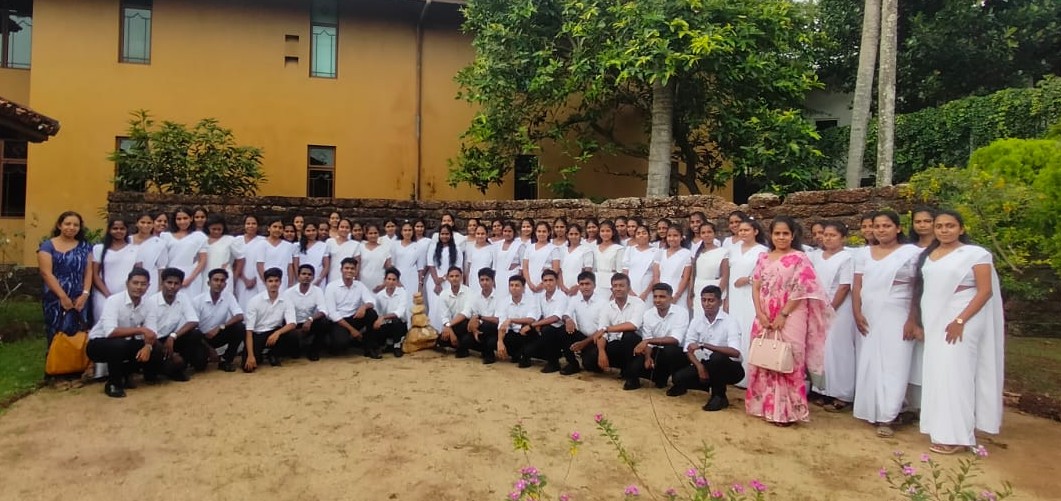
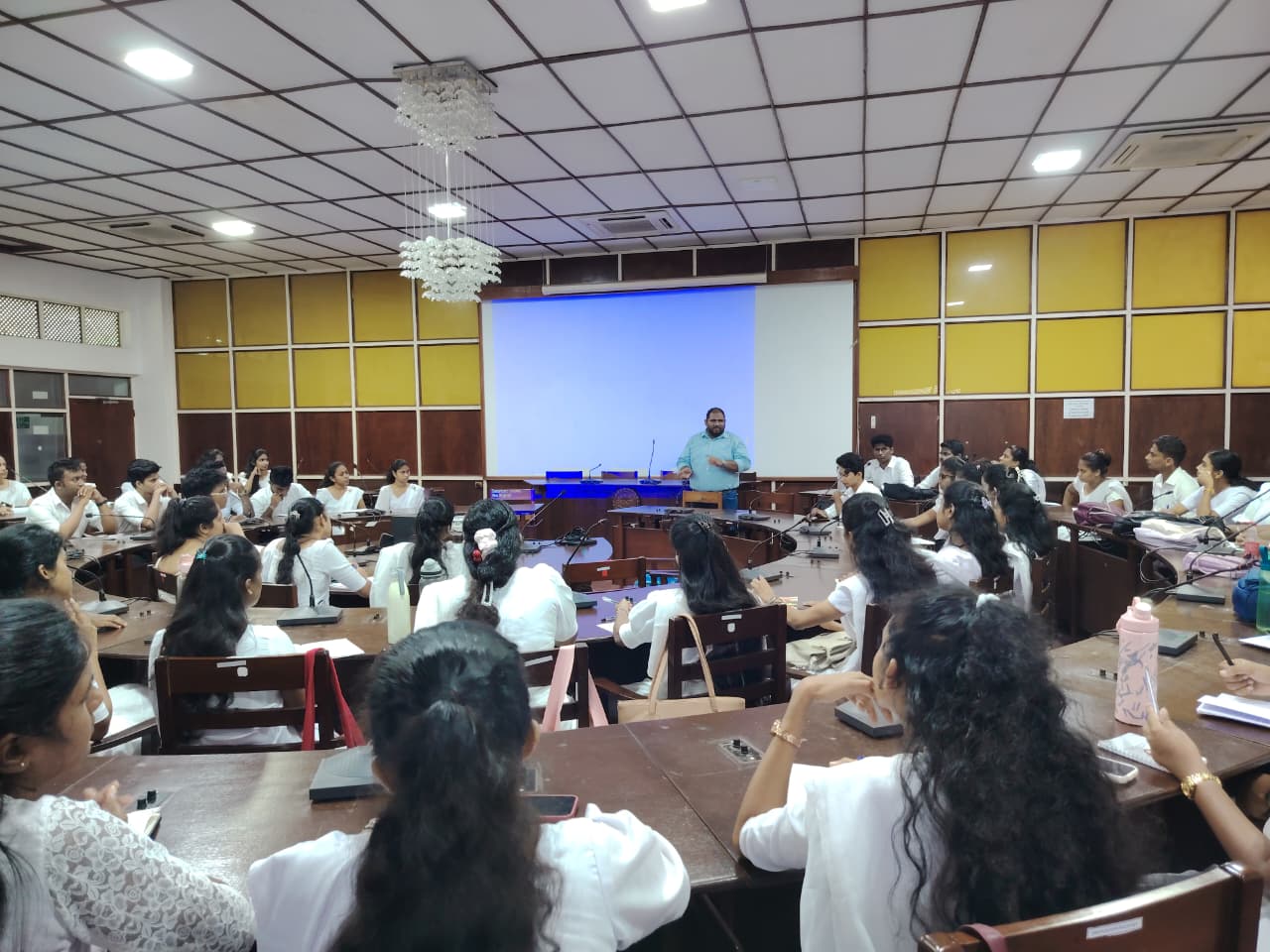
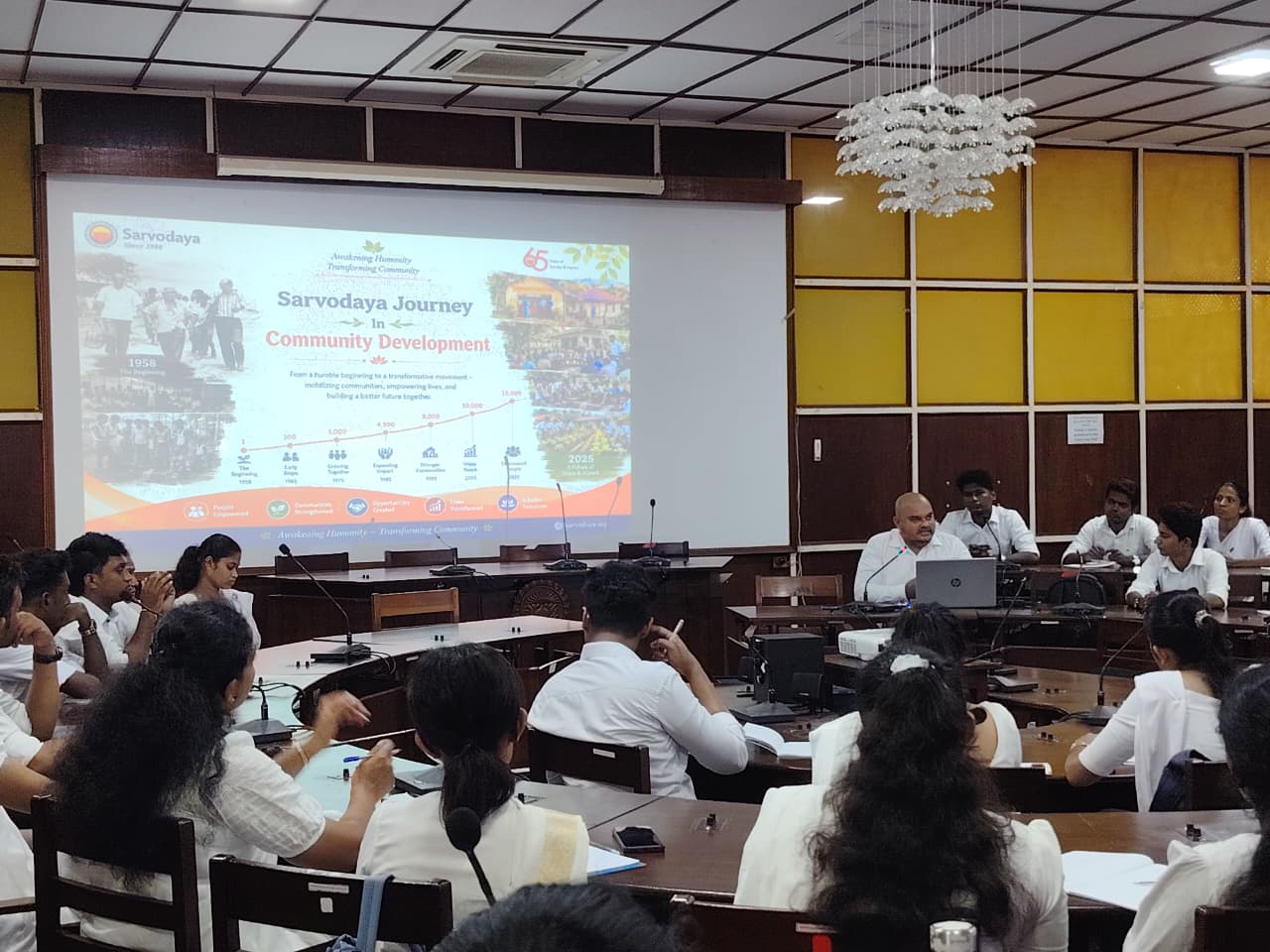
On 20 October 2026, the Sarvodaya Institute of Higher Learning (SIHL) welcomed 64 Bachelor of Science in Nursing students and two staff members from the University of Sri Jayewardenepura for a field practicum titled “Introduction to Sarvodaya Movement’s Community Development Practice.” The full-day programme provided an opportunity for students to explore Sarvodaya’s community development approach, learn about its diverse initiatives, and understand the importance of community participation in promoting health and well-being.
Facilitated by SIHL, the programme adopted an interactive, on-site co-learning approach, combining introductory sessions with immersive visits to key Sarvodaya units. It aimed to broaden the students’ understanding of community-based development and highlight the connections between health, social well-being, environmental sustainability and community empowerment.
Understanding the Sarvodaya Movement
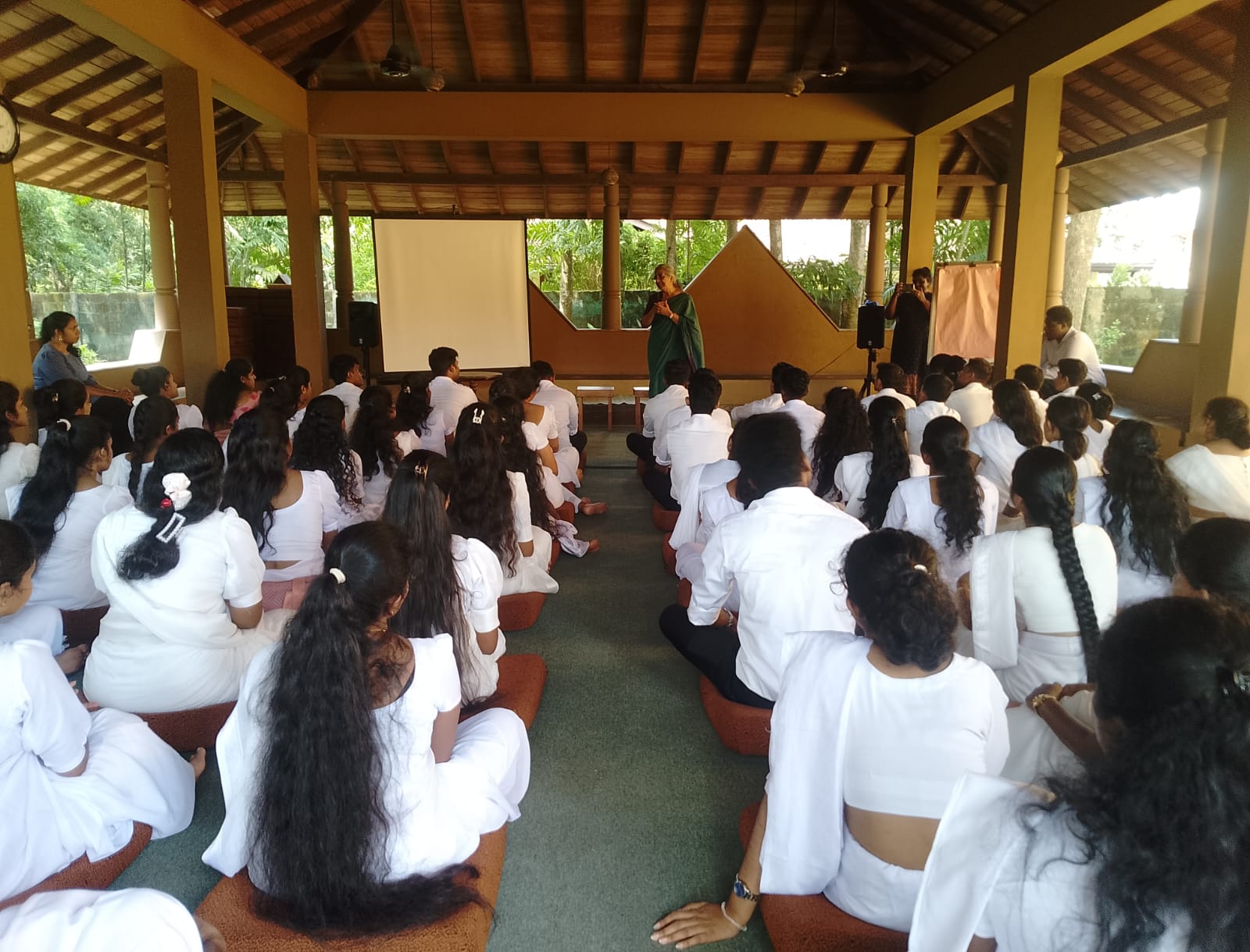
The morning session commenced with an introduction to Sarvodaya’s community development practice by Mr. Damith Kulanayake, Executive Director of Sarvodaya. His session introduced the students to the Sarvodaya Movement and its approach to empowering communities through collective action and people-centred development.
This was followed by a session on Deshodaya, presented by Mr. Nishantha Preethiraj. The session explored Deshodaya as a process of national awakening, highlighting its role in promoting democracy, good governance, reconciliation and sustainable peace. It also introduced the importance of citizen participation, people’s sovereignty and consensual politics in strengthening democratic governance and building a more inclusive society.
These introductory sessions provided a foundation for students to appreciate how community development extends beyond individual well-being to encompass broader social, economic, environmental and governance dimensions.
Immersive Learning Through Sarvodaya’s Initiatives
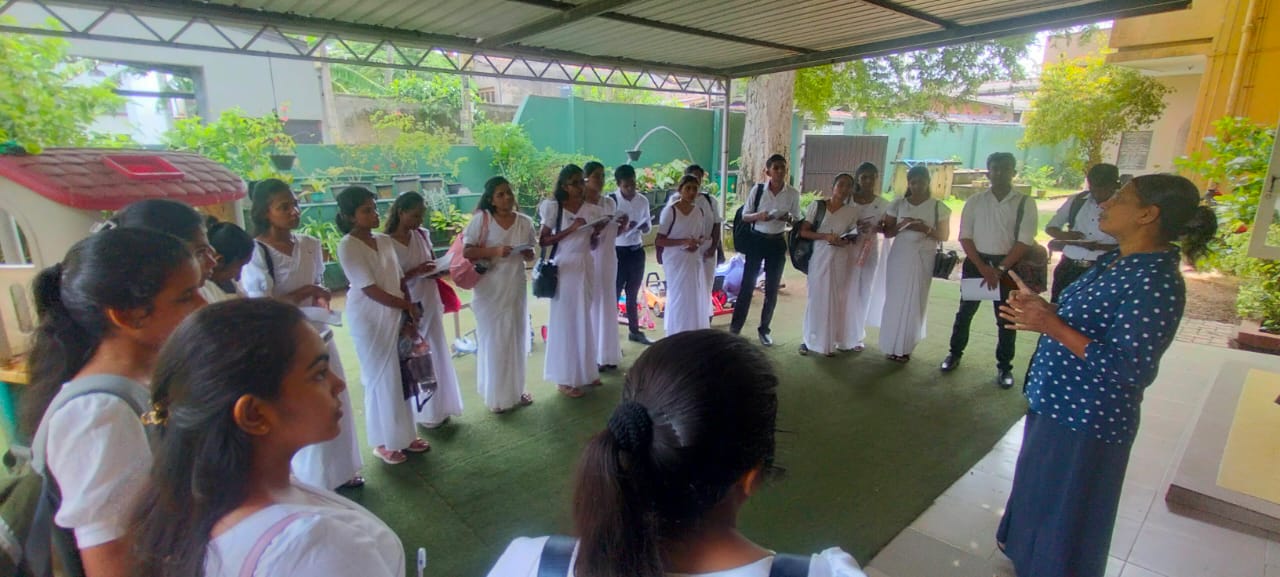
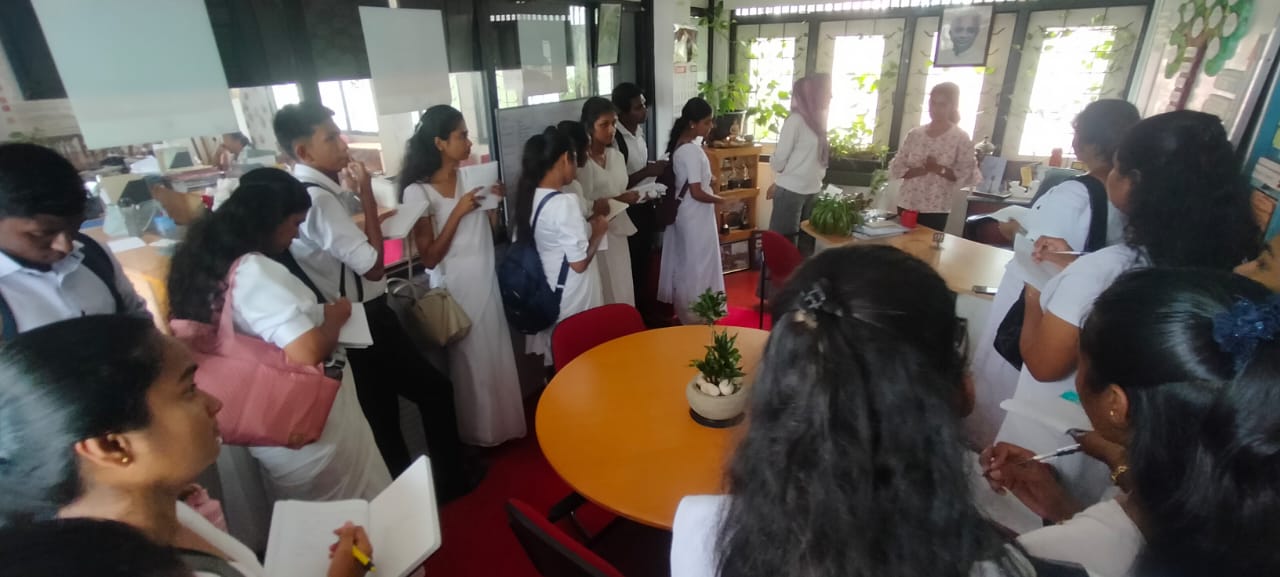
The second part of the programme offered students a closer look at Sarvodaya’s work through guided visits to key operational units. The 64 students were divided into three groups, allowing them to engage with different initiatives and gain practical insights into the organisation’s community development approach.
The groups rotated among the following units:
- Suwasetha Nutrition Centre – Introduced students to initiatives relating to nutrition and community well-being.
- Field Operation Division – Provided insights into Sarvodaya’s field-level operations and community engagement.
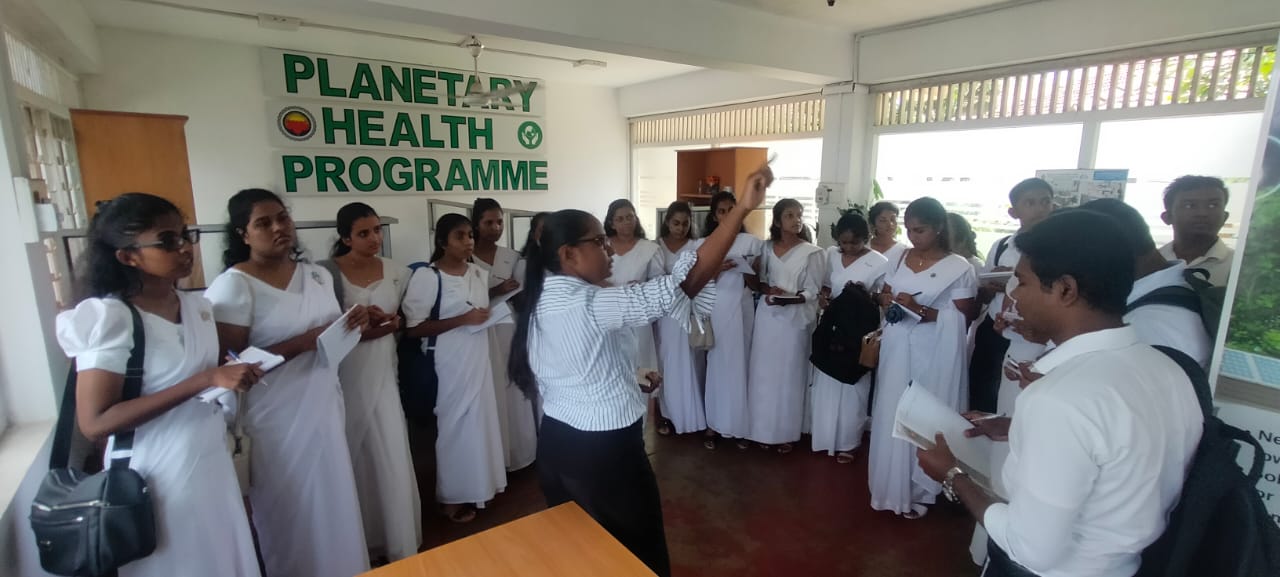
- Planetary Health Unit – Offered an opportunity to explore the relationship between human health, environmental sustainability and the well-being of the planet.
- SDG Academy – Introduced students to learning and engagement around the Sustainable Development Goals (SDGs) and their relevance to sustainable development.
Through these visits, students had the opportunity to learn directly from the respective teams, explore the practical application of community development concepts and recognise the value of collaboration across different sectors.
The interactive format encouraged experiential learning, enabling students to connect their nursing education with wider community needs and the social and environmental factors that influence health.
Exploring Vishva Niketan and Its Premises
In the afternoon, the students visited Vishva Niketan, accompanied by Dr. Charika Marasinghe. The visit provided a further opportunity to explore Sarvodaya’s broader work and gain exposure to its community-centred approach in practice.
The concluding session complemented the day’s learning by encouraging students to reflect on the role of community participation, collective responsibility and holistic well-being in creating healthier and more resilient communities.
Connecting Nursing Education with Community Development
The field practicum highlighted the importance of understanding health within its wider community context. While nursing education equips students with essential clinical knowledge and professional skills, exposure to community development practices can further strengthen their appreciation of the social, environmental and structural factors that shape people’s health and quality of life.
By engaging with Sarvodaya’s diverse initiatives, the students gained an opportunity to explore how community empowerment, nutrition, environmental health, field-level interventions and sustainable development can complement healthcare practice.
The programme also reflected the value of collaboration between higher education institutions and community-based organisations in creating meaningful, practice-oriented learning experiences for future healthcare professionals.
Through initiatives such as this field practicum, the Sarvodaya Institute of Higher Learning continues to provide opportunities for knowledge-sharing, experiential learning and engagement with community development practice, helping students connect their professional education with the broader goal of building a healthier, more inclusive and sustainable society.